community
The People Keeping It Alive
Tatung Bytes exists because of a small, determined community of collectors, hobbyists and developers. Here's who's involved and where else to find them.
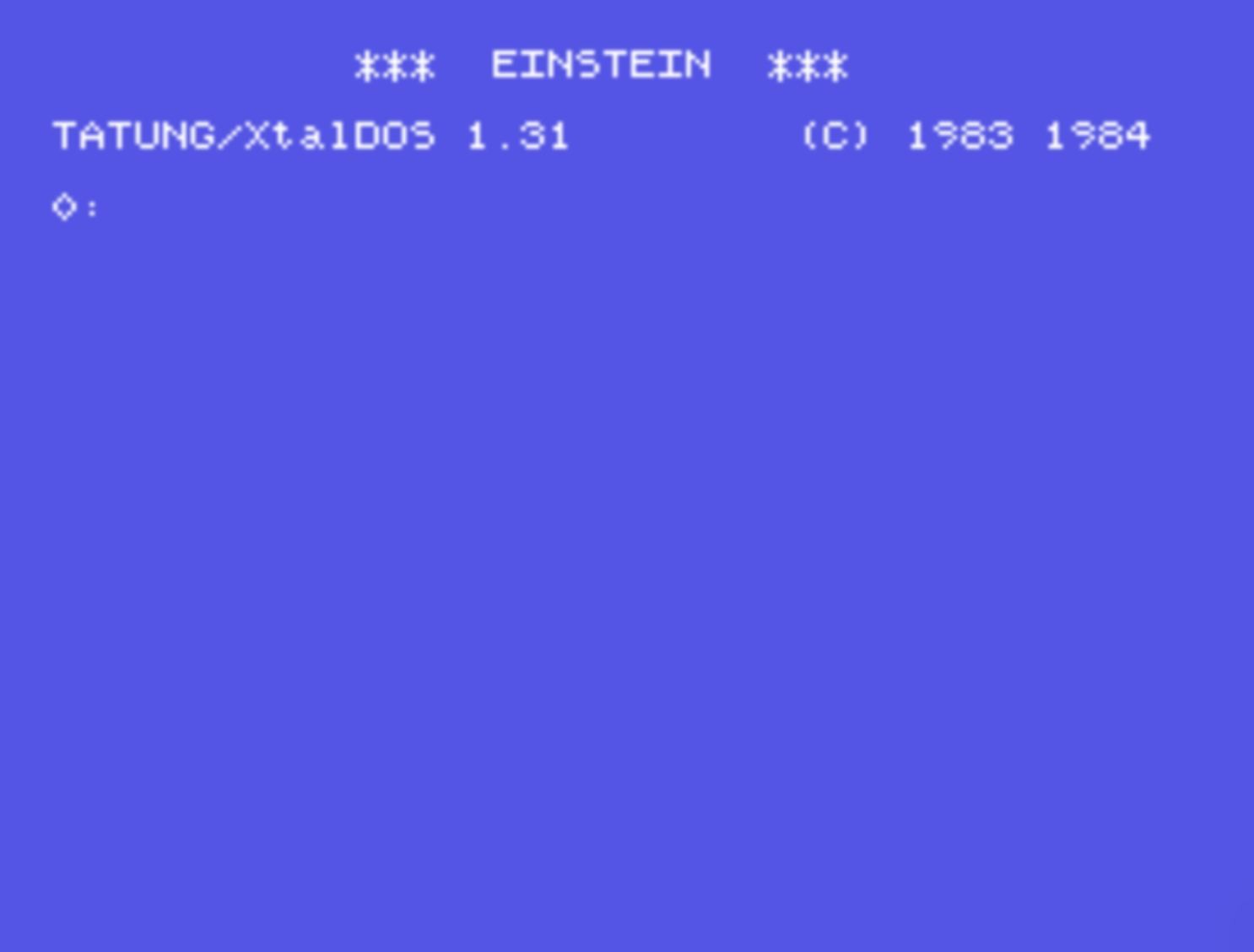
The Tatung Einstein TC01 launched in 1984 with a Z80A processor, a games console's price tag and a business machine's ambitions. It never became a household name, but it built a community that never let it die.
TatungBytes continues that work: preserving disk images, documenting hardware, and giving today's hobbyists the guides and tools to keep real Einsteins running.

I have been writing small programs for old machines, on and off, for a very long time. My public code goes back to 2016 and takes in BCPL on the BBC Micro, a couple of 1K games for the ZX81, a text adventure written in C on a BBC Master, a tool that lets you build Beeb adventures on a PC, and a simple game for the micro:bit.
What pulled me back in recently was a video by Nakazoto explaining Life in one dimension, which reignited my retro programming enthusiasm. I wrote my own version in 6502 assembly for the BBC Micro, far and away the largest 6502 program I have written, and then went looking for somewhere else to put it. That turned out to be the Tatung Einstein.
Writing C on the Einstein itself means Hisoft C and none of the modern comforts, so I went the other way and used the z88dk cross compiler on a PC instead: compile, write the result to a disc image with the Einstein Disc Tools, then boot it in MAME. Rather than stop at Hello World I used 1D Life as the worked example, and wrote the whole thing up on GitHub so anyone else wanting to write C for the Einstein has a route in.
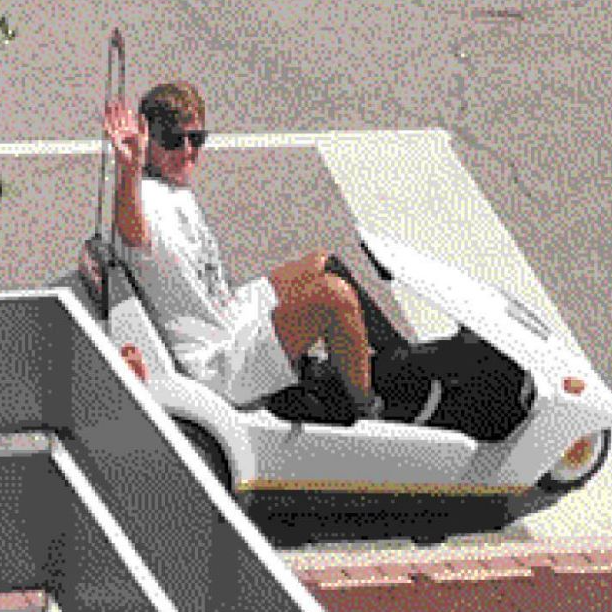
I have been a Sinclair enthusiast since 1983, when I bought my first ZX Spectrum 16K. Two years later I founded Outsoftware, which began life as a ZX Spectrum cracking team. Our speciality was moving multiload games from tape onto the Disciple and +D disk systems, at a time when disk drives on the Spectrum were a rare luxury. Outsoftware wound down its Spectrum work in 1993, but in 2023 I brought it back as a producer of new homebrew games, both single load and multiload, always for MGT disk systems.
Alongside the software, I am a collector and preserver of the machines themselves. I currently have 66 systems set up and ready to use, with more on the way.
My latest project is converting games from their original source code to machines that never received them the first time round. I am porting titles to the Sam Coupé, the Sinclair QL, the Timex Sinclair 2068 and the Tatung Einstein 256. The Einstein in particular has a small games library compared with its contemporaries, and I am doing my bit to grow it. Skool Daze, Back to Skool, Contact Sam Cruise and Everyone's a Wally are the first of my ports to arrive on TatungBytes.

I built Albert because I wanted to experiment with porting some of my own game code to other platforms, and couldn't find a dedicated emulator for the Tatung Einstein. The only other option, MAME, can run Einstein games, but it's fiddly to configure just for that. Albert gives it a proper Windows interface instead - insert and load a disc image in a couple of clicks - plus a debugger mode for anyone doing development work on the machine.
I should be upfront that I can't take credit for the actual coding: Albert was built with Claude Code over a weekend, and my role was confined to directing, testing and orchestrating the development. I think that's worth being transparent about, since AI-assisted development is a cause of contention in the retro gaming community. That said, if someone had wanted to hand-code a dedicated Einstein emulator, I'm sure it would have come into existence years ago - it hadn't. At least now the source is out there for anyone who wants to take it and build something better.
My hope is that releasing Albert generates a bit more interest in this obscure but charming computer, and maybe even encourages some new game development for it.

Located in Tasmania, Australia, I started programming in the early 80’s first on a TI-99/4, followed by a Spectravideo SV-318 (the pre-cursor to the MSX standard). I released over 80 software titles, a book and ran a computer magazine all supporting the Spectravideo and MSX machines that followed.I first discovered the Tatung Einstein computers in a magazine advertisement but never encountered a physical system in Australia. Quite a bit later I started collecting systems that used the TI-99XX range of video chips, and the Einsteins history being used as a development system for a number of MSX releases made it a must add to my hardware collection.I have written quite a number of homebrew releases for TI-99XX systems over the last ten years and continue to work on libraries and guides for others to cross port their own creations.

I first encountered the Tatung Einstein TC01 back in the late 1980s. It was a purely practical buy: I snagged it cheap from a Dixons sale because it offered the BBC BASIC compatibility I desperately needed for a college project. What started as a necessity quickly turned into an obsession. I became a dedicated collector, purchasing as much of the available software as I physically could at the time. I was also a subscriber to the official Einstein user magazine. My setup was complete, featuring the original Spectrum emulator, an 80-column card, and a monochrome monitor. Sadly, as 16-bit machines and, eventually, the PC arrived, the Einstein was simply outperformed. I made the regrettable decision to give my machine away, convinced I would never need it again. But you can never truly shake a first love. In early 2019, I jumped back in, purchasing a faulty Einstein from eBay just to rekindle that old passion. That one purchase snowballed into a new hobby: I started buying further faulty machines to fix up and resell, all while acquiring original software and hardware as it became available. Following a change in my lifestyle, all that physical hardware has now been replaced with emulation and PDF files. This allows me to continue enjoying the Einstein experience, but in a much more 'transportable' and convenient manner. The journey continues!
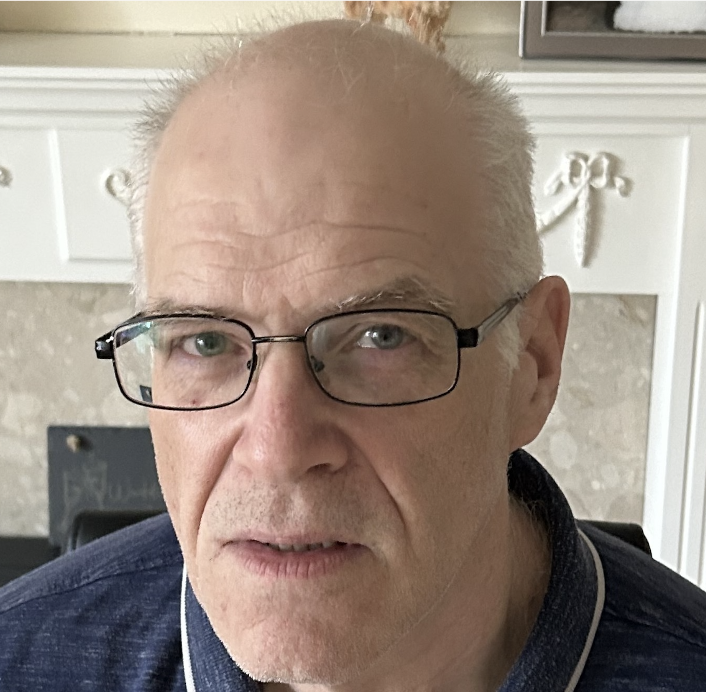
I’ve worked in the finance sector since the late 1980s, but my passion for computing began much earlier. I purchased my first home computer in 1982, and from that moment I knew technology was what I truly wanted to pursue. So, when the opportunity arose in the 1990s to transition my career into the Financial IT sector, I seized it with both hands.Throughout my later career, I had the privilege of working on leading-edge IT projects and was eventually invited to become a member of the British Computer Society, earning Chartered Information Technology Professional (CITP) status—a charter I’m proud to still hold today.Despite my professional focus, I never lost my enthusiasm for the home computing scene. Over the years, I’ve owned nearly every major machine released in the UK. It was no surprise, then, that when MAME introduced support for vintage computers (initially through MESS), I jumped right in.Now retired, my love for 1980s and 1990s computers remains as strong as ever. When the opportunity arose to purchase an Einstein TC-01, I couldn’t resist. The seller—Adam Groome—shared a deep passion for keeping the Einstein alive, and his enthusiasm quickly drew me into the community.Today, I’m involved in several Einstein-related projects, including work on the Speculator, TK-02, and Silicon Disk hardware. In addition to these, I founded the Einstein Document Preservation Project, which focuses on high-resolution rescanning, restoration, and enhancement of all Einstein documentation. I’m also engaged in a large-scale initiative to support and preserve the Einstein’s software library.

Co-founder of TatungBytes and a lifelong admirer of the Tatung TC01, the machine that first introduced Gavin to the world of computers. As co-founder of a cutting-edge cyber security company, he thrives at the forefront of technology. At the same time, Gavin is equally fascinated by the other extreme, delving into retro computing through game development in assembly language and research into the Tatung Einstein.

My name is Dean Belfield. I started programming at the tender age of 12, developing simple games and utilities in BASIC, then assembly language, on the Sinclair ZX81. My first professional quality game was created on the Sinclair Spectrum before I hit 16 and, whilst this was not published, formed part of the portfolio that helped me find employment after leaving college. I’ve been fortunate to have worked during the fledgling years of the home computer revolution working for Software Creations, Malibu Comics and Time Warner Interactive. A selection of games I’ve worked on in my short career as a professional games developer. VIS: Spectrum (unreleased)LED Storm: AmstradGhouls n Ghosts: AmstradSly Spy (Secret Agent): Spectum / AmstradGauntlet III: The FInal Quest: Spectrum / AmstradSolar Invasion: Spectrum + Magnum LightgunThe Incredible Crash Dummies: GameboyThomas the Tank Engine and Friends: NESTime Trax: Sega Megadrive (Music Driver)Firearm: Sega Mega-CD (unreleased)Pitball: Playstation

Electronics engineer passionate about embedded systems, hardware, software, and firmware. Experienced in IoT, healthcare, and industrial applications. Tinkerer, vintage tech restorer, and diver, bringing innovative ideas from concept to market. Hands on experience repairing the Tatung Einstein TC01 and TM01.
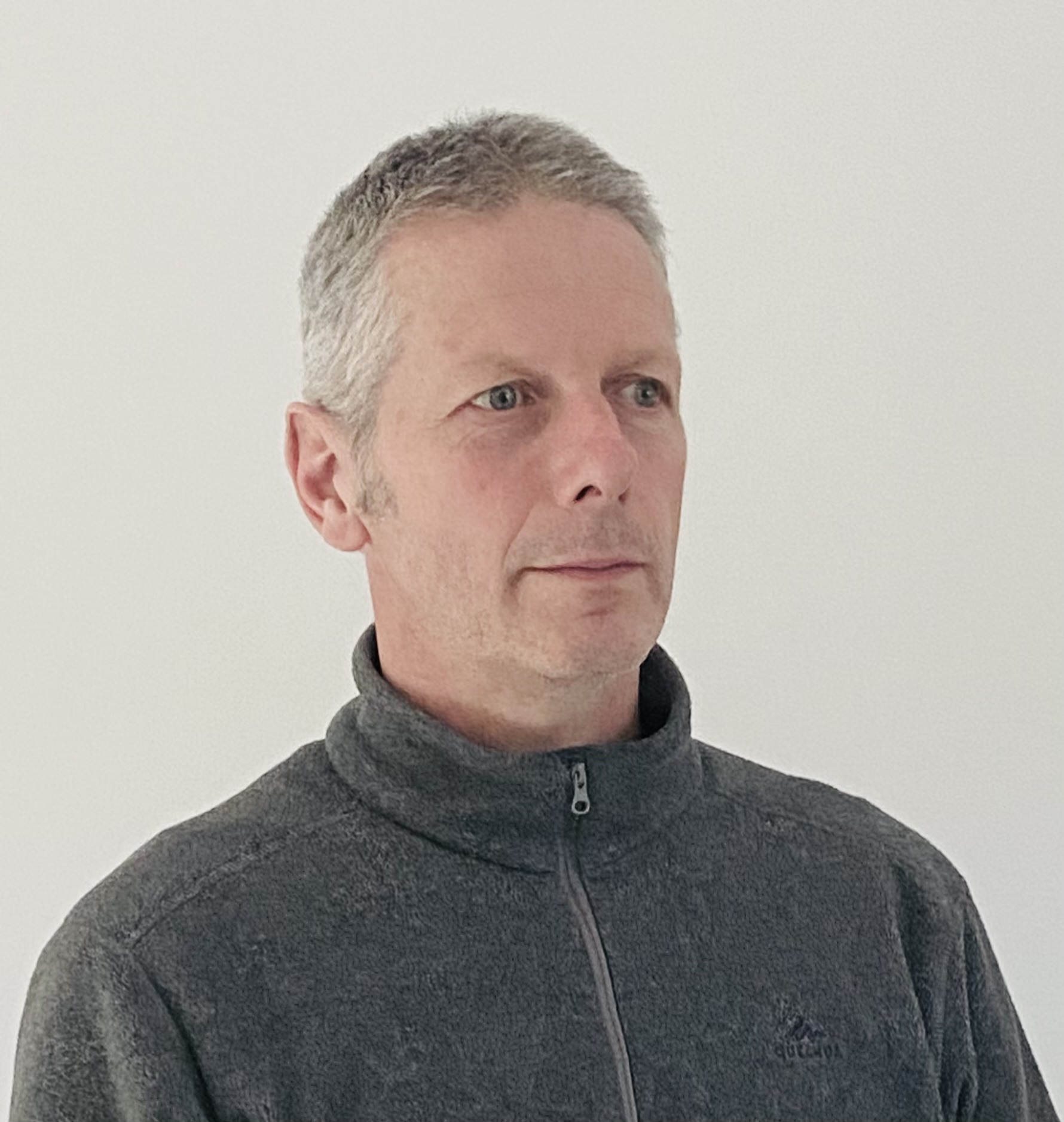
I grew up with early access to the Tatung Einstein thanks to my stepfather’s work at Decca/Tatung. While friends had ZX Spectrums and C64s, our family proudly used a TC01. Years later I rediscovered it—alongside the Tatung 256—and saw the potential these machines still hold. This site is dedicated to keeping the Einstein alive: building tools, sharing knowledge, and inspiring new coders to explore BASIC and beyond.
This form is protected by reCAPTCHA, and the Google Privacy Policy and Terms of Service apply.
